

The Gattaca Paradox:
Why We Need to Ban AI from Business Schools (Until Graduation)

Film still from Gattaca (1997), directed by Andrew Niccol. Image used for the purpose of criticism, review and commentary. All rights remain with the respective copyright holders.
If you watch the 1997 sci-fi classic Gattaca, you’ll notice something strange about the astronaut training. The trainees aren’t practicing zero-gravity maneuvers or landing spaceships. Instead, they run on grueling treadmills in crisp business suits, stare at data screens, and take endless biometric tests.
We never actually see the mission to Saturn’s moon. The movie ends the moment the shuttle launches, leaving Ethan Hawke’s character sitting in a chair, bathed in the glow of instrument lights.
The training had almost nothing to do with the physical mechanics of space flight. It was a crucible. It was designed to test one thing: raw human capacity, grit, and intellectual stamina.
Today, we are making a catastrophic mistake with business education. By allowing students to use Generative AI to write essays, build financial models, and conduct research, we are dismantling the treadmill. And in doing so, we are graduating a generation of professionals with severely atrophied brains.
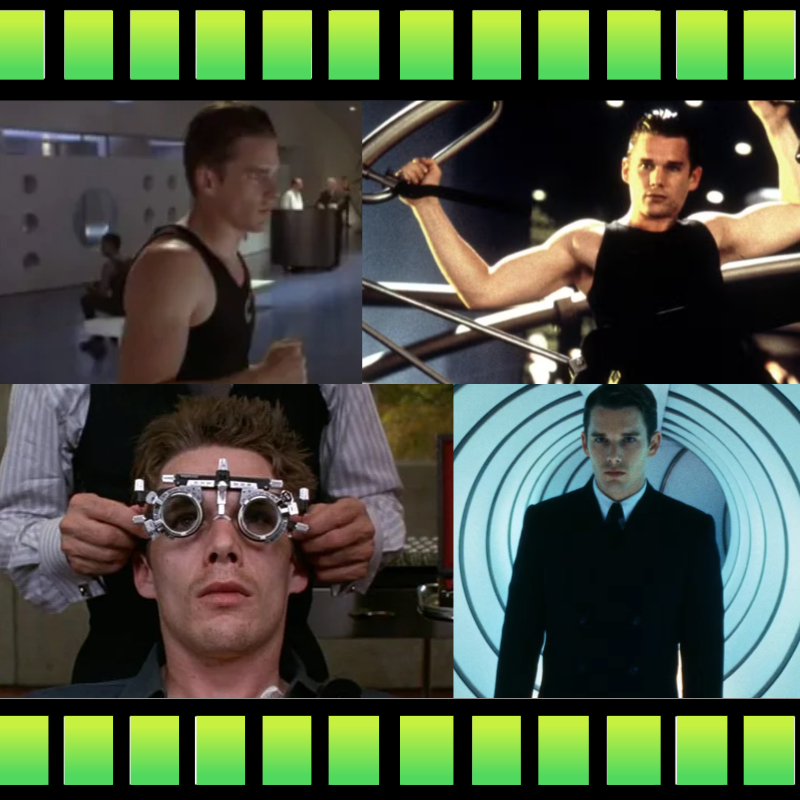
Film still from Gattaca (1997), directed by Andrew Niccol. Image used for the purpose of criticism, review and commentary. All rights remain with the respective copyright holders.
The Street Fight of Reality
To understand why this matters, look at another 1993 thriller: The Firm. Tom Cruise plays Mitch McDeere, a top Harvard Law graduate who spends years memorizing tax codes and enduring academic hell, only to be immediately thrown into a terrifying reality where his employer is a front for a ruthless mob family.
Nothing in Mitch’s textbooks taught him how to handle a wiretapped office or corporate executioners. But his grueling, unassisted years of intense study forged an elite analytical engine. When his life depends on it, it is his deep, instinctual mastery of complex tax law that allows him to outsmart both the mafia and the FBI.
Business school isn't supposed to simulate the day-to-day shortcuts of a corporate job. It is supposed to forge that exact kind of general intelligence. When students outsource the friction of writing, conceptual modeling, and deep research to AI, they bypass the very cognitive struggle that builds a professional. They aren't learning how to think; they are learning how to copy and paste.
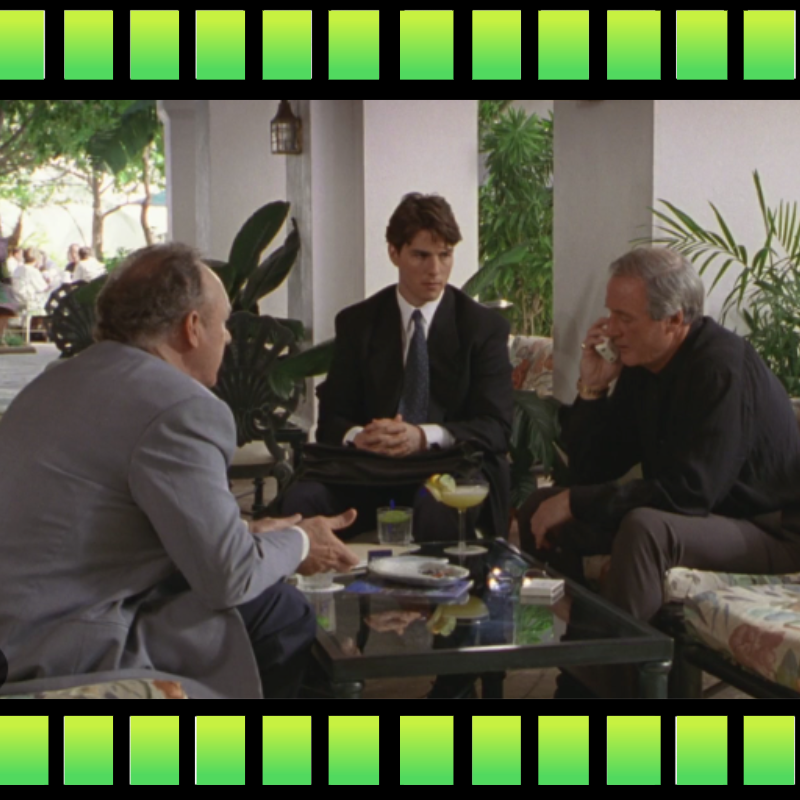
Film still from The Firm, directed by Sydney Pollack. Image used for the purpose of criticism, review and commentary. All rights remain with the respective copyright holders.
The "Millennial" Advantage
Think about millennials. They grew up in a world without smartphones, learning how to read physical maps, research in libraries, and memorize phone numbers. When smartphones arrived, millennials became incredibly powerful tech users because they inherently understood the underlying mechanics of the world before automation. They control the tech; the tech doesn’t control them.
If a student uses AI throughout their entire degree, they become a weak engine driving a fast car. They lack the conceptual frameworks to spot when an AI model is hallucinating, hallucinating a flawed business strategy, or producing generic, uninspired writing.
The Finish Line Handover
We need a radical shift in curriculum design. We need to ban AI from the classroom entirely for the first 90% of a business degree.
Force students onto the intellectual treadmill. Make them draw conceptual models on whiteboards, write analysis under pressure with a pen and paper, and dig through raw data by hand. Prove they have the cognitive engine to do the job.
Then, at the very end of their studies—at the finish line—hand them the keys to the most powerful AI models available.
Because they have spent years mastering independent thought, they won't be passive prompt-engineers typing lazy commands. They will be elite navigators directing a supercomputer. They will know exactly what to ask, how to critique the output, and how to push the technology to its absolute limit.
Let's bring back the crucible. If you don't build the mind first, the tool is useless… Thor experienced this first hand. He didn’t need the hammer to make lightning.
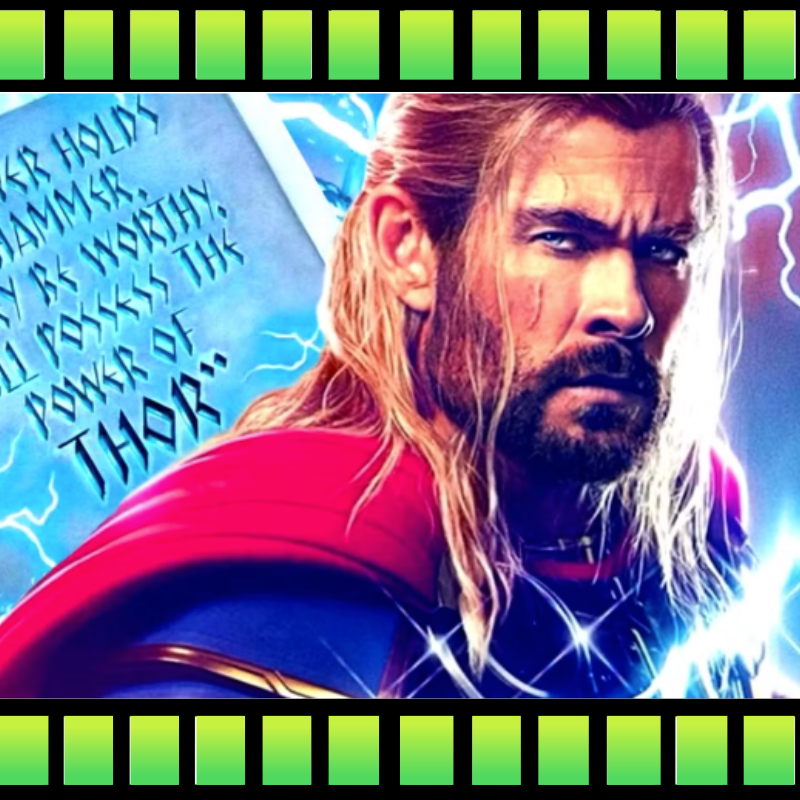
Film still from Thor, directed by Taika Waititi. Image used for the purpose of criticism, review and commentary. All rights remain with the respective copyright holders.