

The High Street Sells, But Rarely Creates
Blog 3: Most high street retail still works in the same basic way.
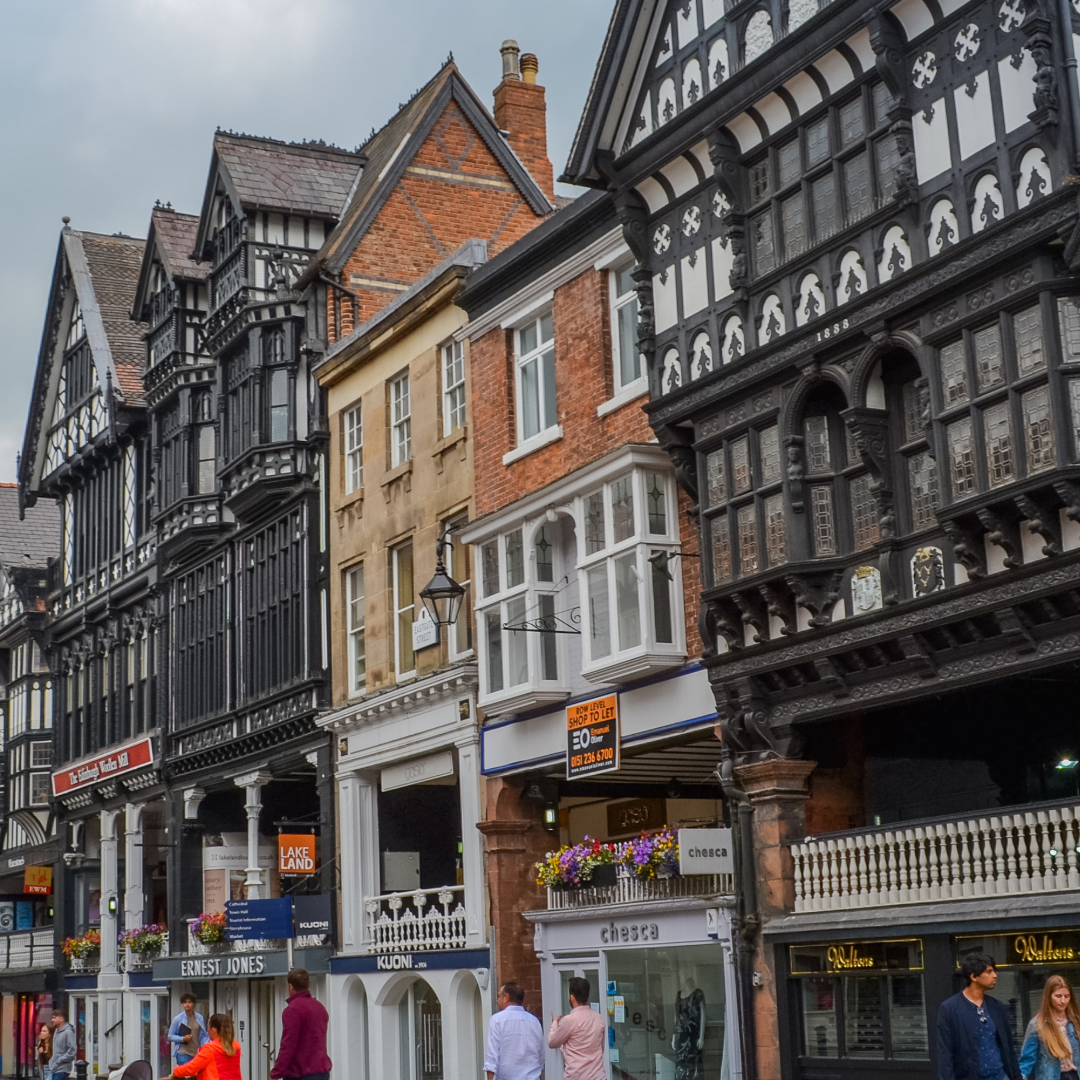
Shops are filled with goods made elsewhere, often at the lowest possible manufacturing cost, shipped into the UK, placed on shelves, and sold by workers whose pay is often close to the wage floor rather than the national median. The National Living Wage for workers aged 21 and over is £12.21 an hour from April 2025, while median hourly pay for full-time employees across the UK was £18.64 an hour in April 2024.
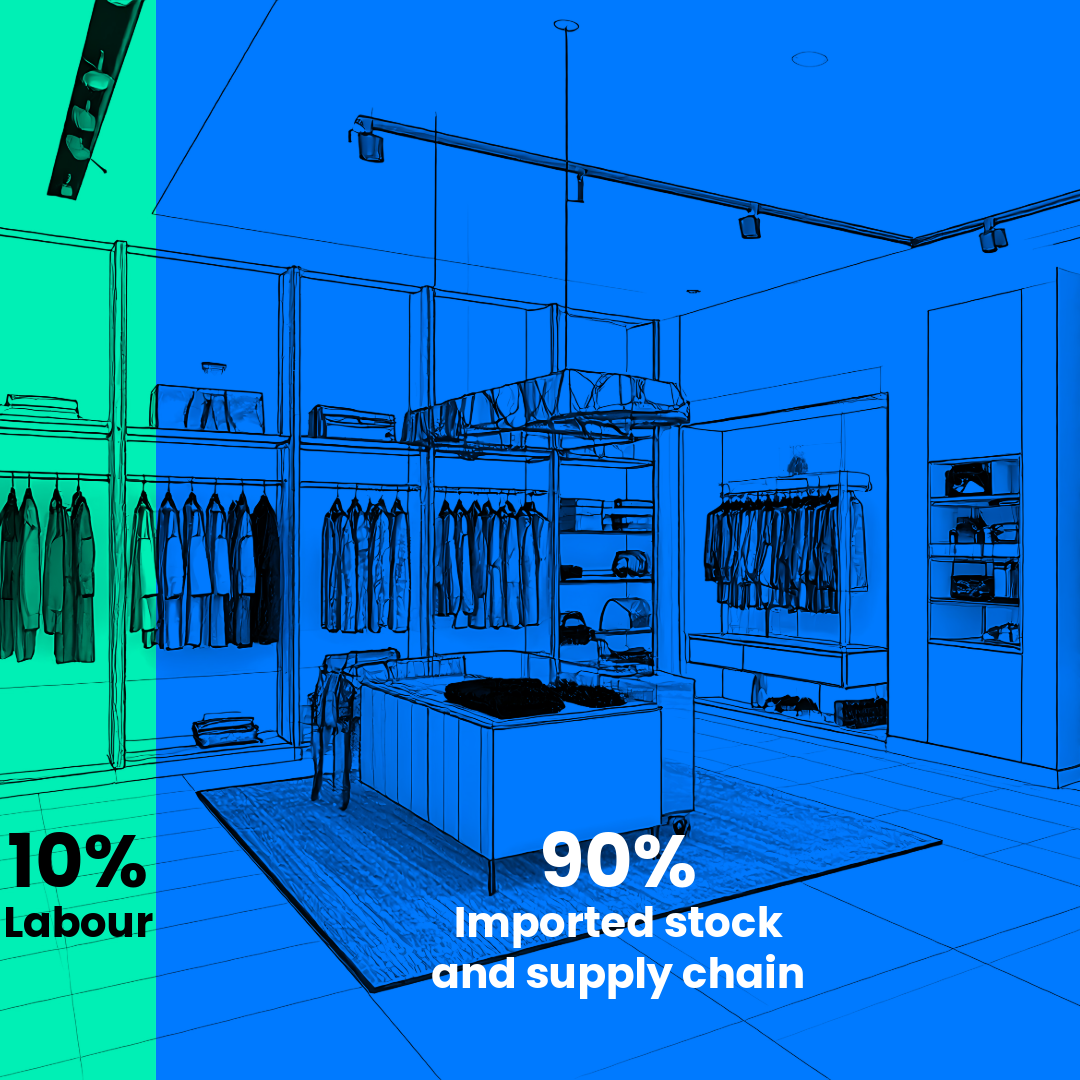
If we imagine the value of a typical shop as a rectangle, the breakdown might look something like this:
90% of the value is in the imported stock and supply chain
10% of the value is the labour inside the shop
That is not a formal national accounting measure. It is a way of illustrating a real imbalance.
The workers usually do not make the product. They receive it, arrange it, scan it and sell it. The Office for National Statistics classifies many front-line retail roles around tasks such as taking payments, replenishing stock and maintaining displays, rather than designing or producing what is being sold.
Meanwhile, the UK remains heavily reliant on imported goods. In 2025, the UK imported £629.5 billion of goods, and goods still made up 64.8% of all UK imports.
So when money is spent in many shops, much of the deeper value chain sits somewhere else — in overseas manufacturing, centralised logistics, brand ownership and corporate headquarters — not in the town where the final sale happens. At store level, retailers themselves often operate on very slim margins of around 2% to 4%, which helps explain why closures happen so quickly when costs rise or demand weakens.
When shops close, the town is left with the visible damage: empty units, fewer jobs and less footfall. In late 2023, 14.0% of high street retail and leisure units were vacant, and Britain had already lost around 6,000 storefronts in five years.
That is why the current model feels extractive. The shop may sit in the town centre, but much of the value does not stay there.
Large chains can move from one high street to another, following stronger spending power, while weaker towns are left with the aftermath.
This is the model micro manufacturing challenges.
Instead of the high street being the final point of transaction, it could become the place where value is actually created.