

A Different Model
Blog 4: Micro Manufacturing on the High Street
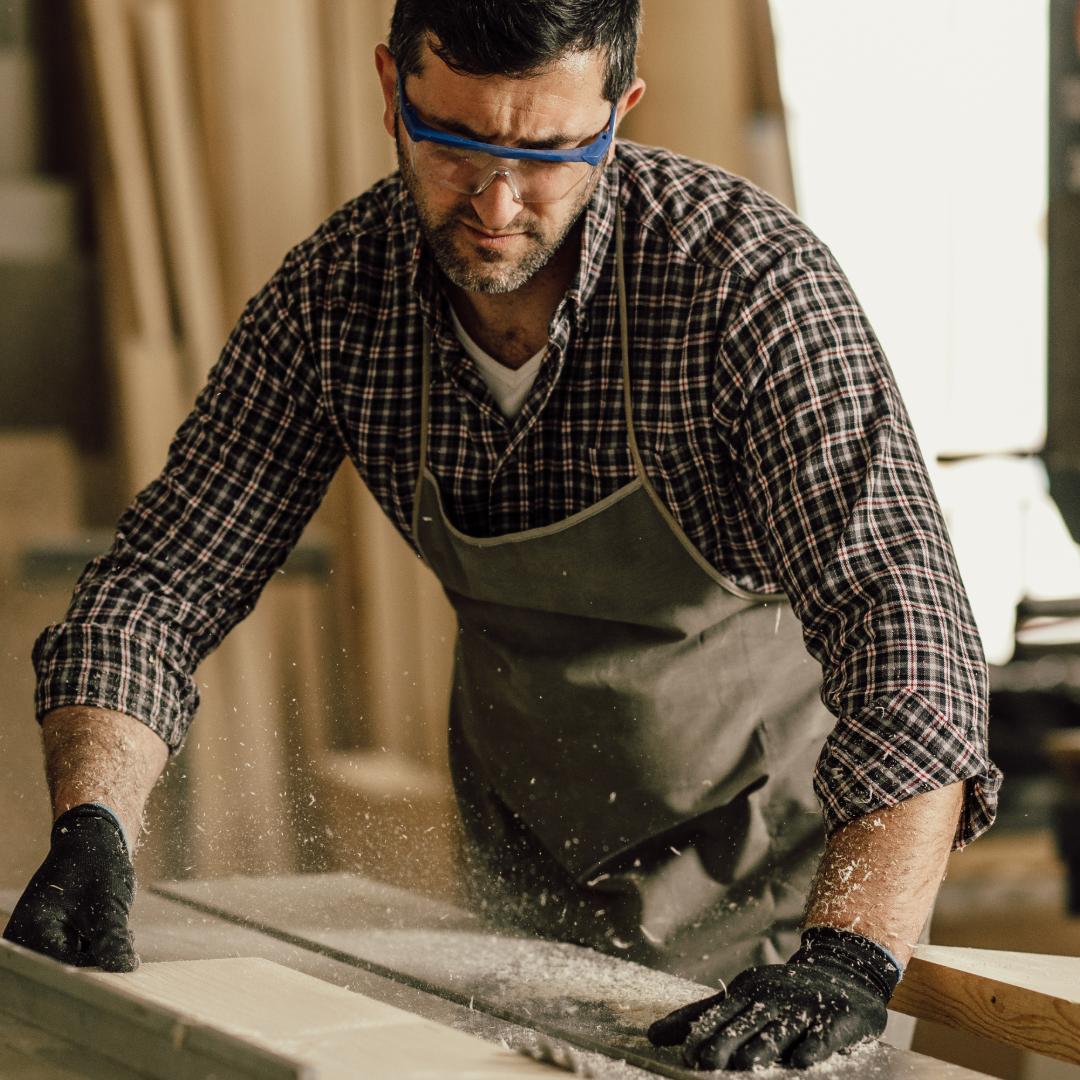
Now imagine a different type of shop.
Instead of simply selling products, the shop creates them.
Using the same rectangle analogy, the balance changes dramatically.
Instead of:
90% product
10% labour
the structure might look closer to:
30% materials
70% skill and labour
That is not a formal accounting rule. It is a way of describing a different retail model: one where much more of the value sits in making, assembling, altering, repairing or customising the product at the point of sale.
The idea matters because the current high street model is under pressure. There were 2.76 million retail jobs in the UK in September 2025, but that was 355,000 fewer than in 2015. Footfall also fell in 2025, with total UK footfall down 0.8% year on year.
So what would a different model look like?
The shop becomes part workshop, part studio, and part retail space.
Instead of one low-paid worker scanning barcodes, the store could employ several skilled makers, craftspeople and designers. The value is created inside the town, not somewhere else.
This is not a fantasy. Parts of this model already exist on the high street.

Where this already happens
Some retail categories already combine selling with making, fitting, altering or repairing:
Key cutting and shoe repair — Timpson branches commonly combine key cutting, engraving, watch repair, shoe repair, dry cleaning drop-off and other services in one retail unit.
Dry cleaners and tailors — these businesses do not just sell a product; they clean, alter, repair and finish garments locally. UK fashion and textile bodies continue to argue that these hands-on skills are strategically important to the wider sector.
Florists — florists are already a strong example of retail plus production. The ONS occupational classification describes florists as workers who design and make up bouquets, wreaths, tributes and other floral arrangements for sale to the public.
Hardware stores — many independent hardware shops already offer services alongside stock, including paint mixing, key cutting, tool advice, sharpening, small repairs and practical problem-solving at the counter. Bira has also highlighted service-led independents, including stores offering workshops and demonstrations, as part of what makes physical retail different from pure online selling.
Retail categories this model could expand into
The same approach could be applied far more widely:
clothing customisation and tailoring
furniture finishing and restoration
phone, laptop and electronics repair
bicycle assembly and servicing
jewellery making and alteration
leather goods repair and customisation
homewares, picture framing and ceramics
gift shops with on-site engraving, printing or assembly
university shops selling products designed or finished by students
food retail with visible small-batch preparation and production
In other words, the high street does not have to be limited to displaying finished goods made elsewhere.
It can become a place where products are finished, adapted, repaired, assembled and personalised in front of the customer.
That changes the economics.
It shifts value away from pure stockholding and towards skill, labour and experience. It creates a reason to visit a shop in person. And it keeps more of the spending power in the town itself.
That is the core idea behind micro manufacturing high streets.
In later blogs, reports and videos, this idea will be explored further — including which sectors could adopt it fastest, what kinds of jobs it could create, and how a real high street could be redesigned around it.