

Doing the Math
Blog 6: 1 10 Retail Staff vs 10 Makers. To make this idea real, it helps to put some numbers on it.
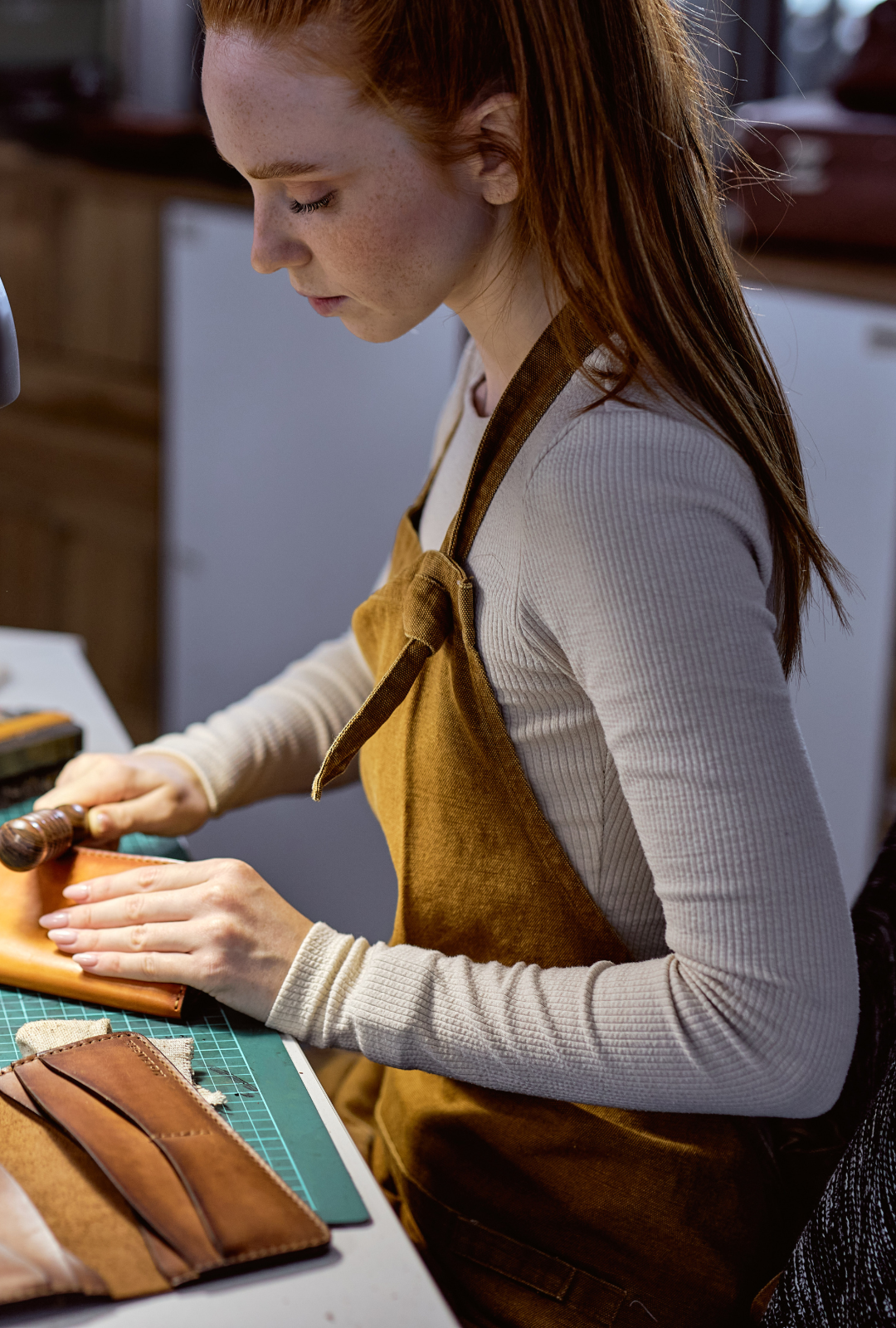
Let’s take a simple example: a clothing shop with 10 staff, all earning at or near the National Living Wage. From 1 April 2025, that wage is £12.21 an hour for workers aged 21 and over.
If each of those 10 workers is full-time at 37.5 hours a week, the weekly wage bill is about £4,579, or roughly £238,000 a year before employer on-costs. That calculation is based on the legal minimum wage rate.
Now we need a sales benchmark.
If we use numbers based on a major UK clothing retailer, a useful reference point for value fashion retail is annualised sales of roughly £468 per square foot. If we imagine a 5,000 sq ft high street clothing store, that gives annual sales of roughly £2.34 million, or about £45,000 a week. That is not a universal average for every shop. It is simply a transparent benchmark based on the published performance of a large UK fashion retailer.
In the standard model, the maths looks like this:
Weekly sales: about £45,000
10 full-time staff on National Living Wage: about £4,579 a week
Direct shop-floor wages as a share of sales: about 10%
That is where the “90% product, 10% labour” idea starts to make sense. It is not a formal accounting rule. It is a shorthand for a model in which most of the value sits in stock, logistics, branding and centralised ownership, while the local shop mainly handles the final transaction.
Now imagine a micro-manufacturing version of that same store.
Keep the same £45,000 a week in sales, but change what is being sold. Instead of finished garments only, the shop offers blank T-shirts, unfinished dresses, adjustable jackets and garments that can be printed, tailored or altered on site.
For a simple example, assume in one week the store sells:
500 custom T-shirts, with £5 paid to the artist or designer each time one sells
150 customised garments such as dresses, jackets or altered pieces, with £10 paid to the designer or tailor each time one sells
That would mean:
T-shirt creative pay: 500 × £5 = £2,500 a week
Garment design/tailoring pay: 150 × £10 = £1,500 a week
Total direct maker pay: £4,000 a week
That is nearly the same as the entire weekly wage bill of the conventional 10-person store — and that is before adding any base wages, commissions, fitting support, management, or extra creative work.
Push the model slightly further and the difference becomes clearer.
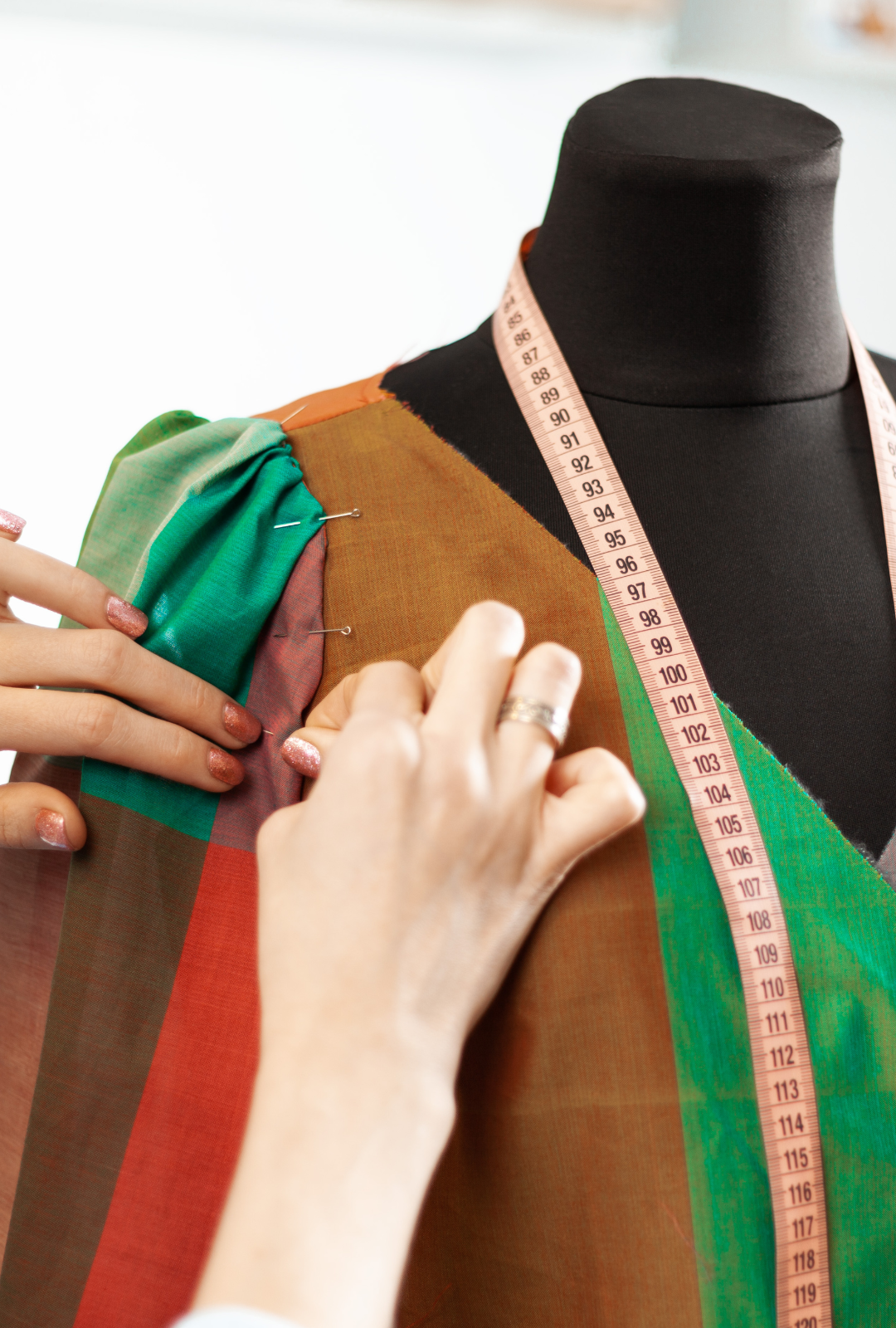
If the store sold:
700 custom T-shirts a week = £3,500 to artists
200 customised garments a week = £2,000 to designers and tailors
then direct creative pay rises to £5,500 a week, or about £286,000 a year.
That is already higher than the £238,000 annual wage bill for 10 full-time staff on the minimum wage model.
And the point is bigger than the numbers themselves.
In the traditional shop, the worker is mainly there to scan, shelve and sell.
In the micro-manufacturing shop, the worker is there to design, print, tailor, alter and create.
That changes the wage potential because it changes where the value is created.
This is still only a simplified model. But it shows the principle clearly: even using cautious assumptions, it is possible to imagine a clothing shop where a much larger share of sales is paid directly to skilled people in the store itself.
The next blog will take this further and compare the two models properly side by side: 10 workers in a standard retail store versus 10 workers in a micro-manufacturing clothing shop, using one sales benchmark and one set of assumptions throughout.