

A Simple Example: Clothing Retail
Blog 5: Consider a typical clothing retailer today.
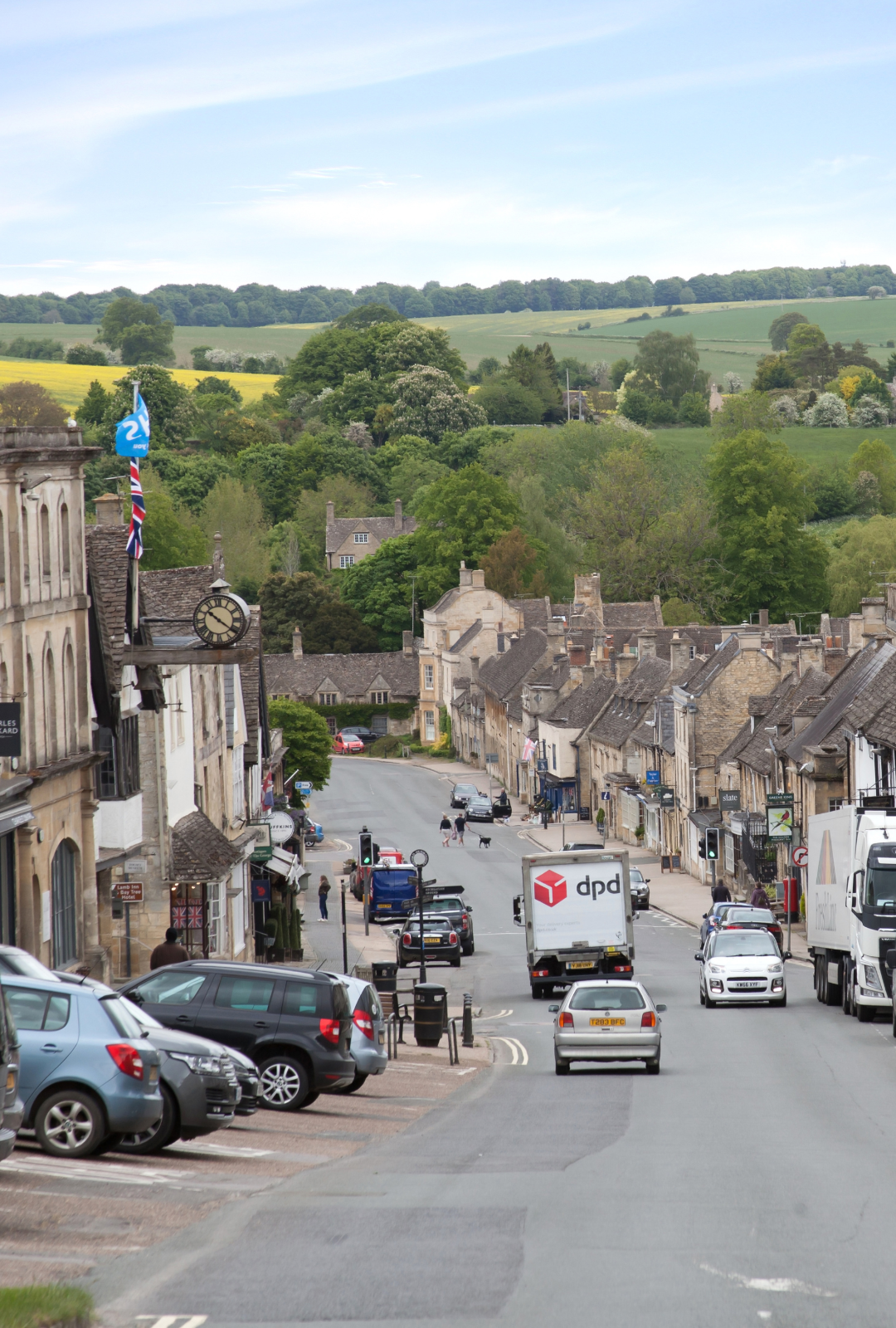
A fast-fashion shop may hold thousands of garments made overseas, shipped into the UK, placed on rails and sold by staff whose role is mainly to help customers, tidy stock and process transactions. That matters because the UK still imports huge volumes of goods: in 2025, total UK imports were worth £971.5 billion, and goods imports alone were £629.5 billion.
Now imagine a different version of that shop.
The store still sells clothing, but many of the garments arrive as unfinished templates:
blank T-shirts
unfinished dresses
customisable jackets
adjustable garments designed to be tailored
Inside the shop are:
fashion students
textile artists
tailors
designers
print artists
Customers choose a garment and watch it being finished or customised in front of them.
An artist might create the graphic for a T-shirt that day. A tailor might adjust the fit of a dress. A designer might add embroidery, print, structure or alterations.
This is where the maths starts to change.
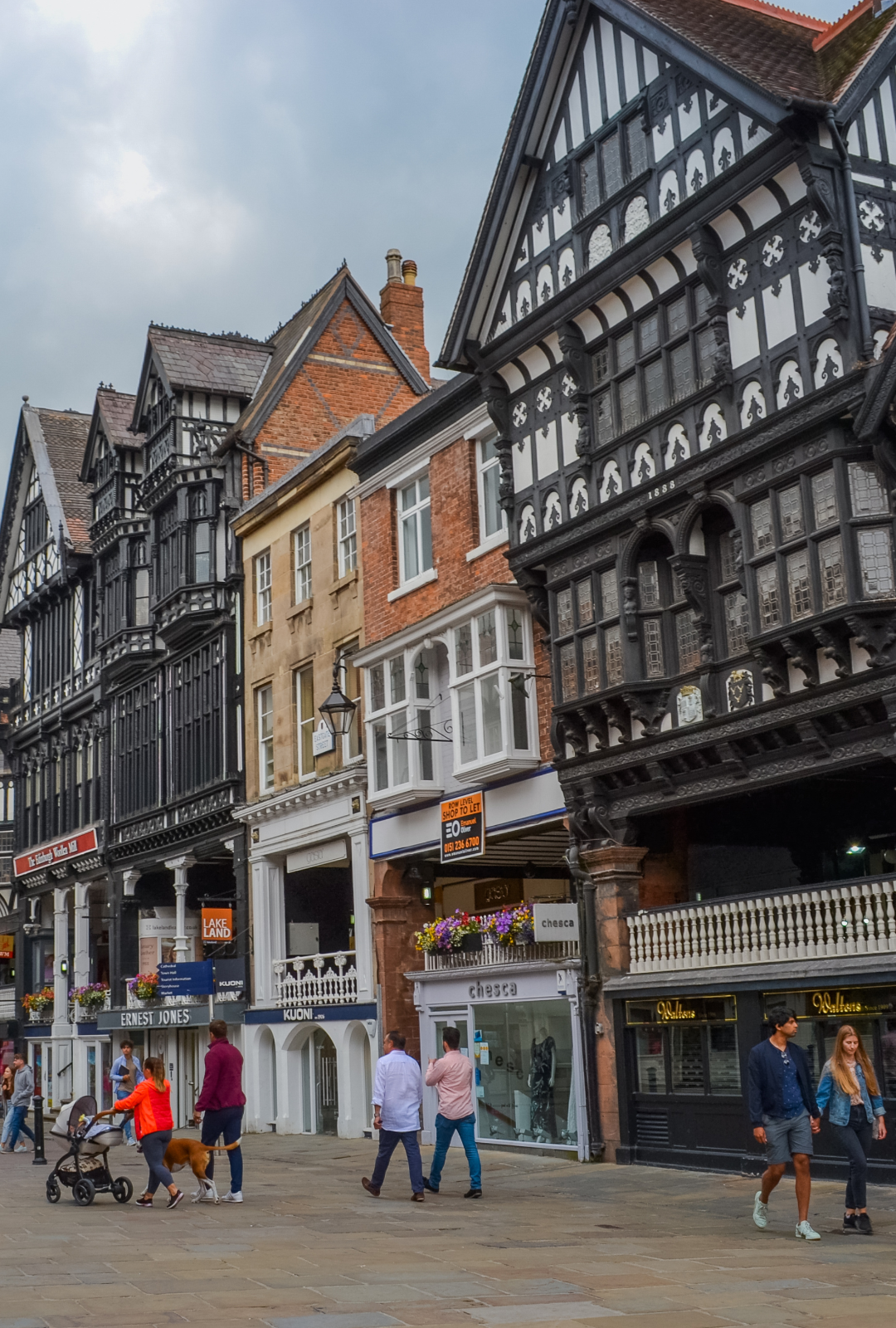
If an artist or designer earned £5 for every T-shirt sold with their design on it, then 100 T-shirt sales in a day would put £500 directly into creative labour. If a designer or tailor earned £10 per garment altered, finished or customised, then 100 garments would generate £1,000 in direct skilled income.
That is the key difference.
In a standard fast-fashion model, the labour on the high street is mainly there to move stock. In a micro-manufacturing model, the labour is there to create value at the point of sale.
It also fits the direction the sector needs to move in. The UK fashion and textile industry already supports 1.3 million jobs and contributes £62 billion to UK GDP, showing that fashion is not a trivial part of the economy.
At the same time, front-line retail pay remains relatively low. The National Living Wage for workers aged 21 and over is £12.21 an hour from April 2025, while median hourly pay for full-time employees across the UK was £18.64 in April 2024.
So the question is not whether fashion creates value.
It already does.
The question is where that value is created, and who gets paid for it.
Instead of most of the money going into distant manufacturing, centralised logistics and brand ownership, more of it could flow directly to the people designing, tailoring and finishing garments inside the shop itself. That would mean:
higher-skill jobs
higher earning potential
more distinctive products
a better customer experience
more money staying in the local economy
This is only a simple example, but it shows the principle clearly.
The next blog can take this further by doing the maths properly: comparing a typical clothing shop with 10 staff on or near minimum wage against a micro-manufacturing version of the same store, using average retail sales to estimate what workers could earn under each model.